Food Protein Epitopes
Most food allergies are a reaction to a food protein. More specifically, the immune system recognizes a repeating sequence of amino acids within the protein (epitope).
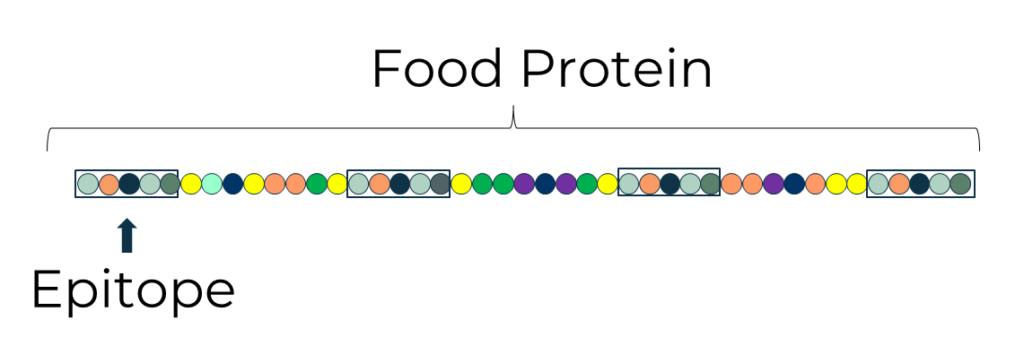
Allergenic foods often contain several different allergenic proteins. For example, peanuts have at least nine proteins that have been shown to cause allergy. Some proteins trigger systemic reactions and others local oral symptoms. As a result, two clients with peanut allergies will likely have different symptoms
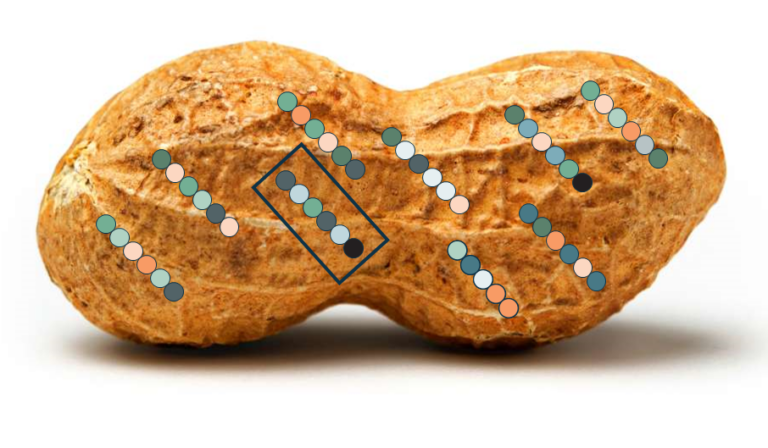
If an epitope’s amino acid sequence is changed or broken apart, the immune system no longer recognizes it, and the protein loses its allergenicity. This may happen through:
I use a pearl necklace analogy when talking with clients about this topic. The protein (necklace) is broken into amino acids (pearls).
If a client’s immune system has created antibodies directed against an epitope, the client may react when consuming food with similar (homologous) epitopes. We will discuss this further in the Pollen-Food Allergy Syndrome lesson (module #3).
Cross-reactivity is usually discussed in the context of allergenic proteins. However, sensitivity to components in multiple foods – such as our previous component X example is a related concept.