In the previous two lessons, I discussed how the brain can recreate physical sensations and changes based on conditioned Food–Illness associations. In this lesson, I’ll share some examples and supporting evidence.
This process may sound as if sensitivities are “your fault,” but they’re not. These reactions occur subconsciously, outside of your conscious control.
Lemon Visualization
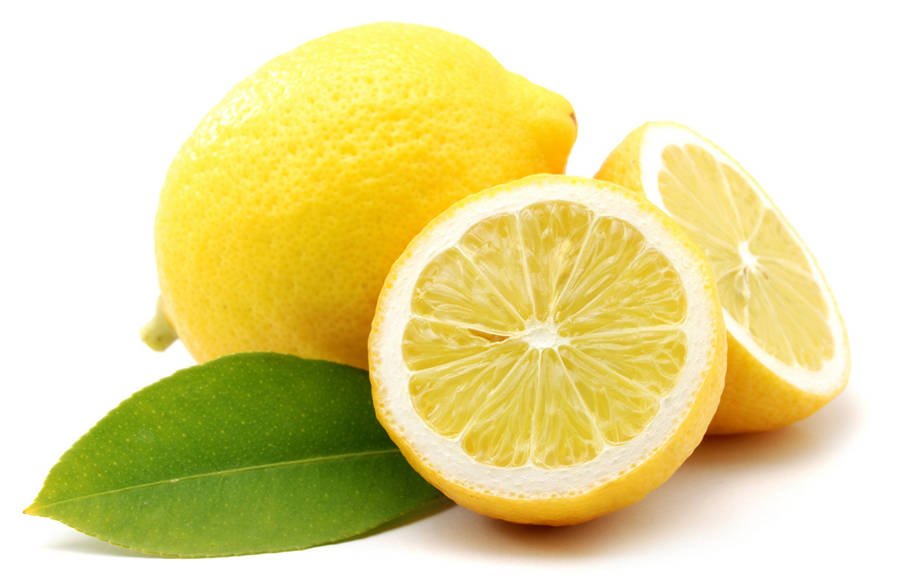
Our brains store experiences as memories. When we think about a memory, our body can react just like it did when the experience first happened.
For example, thinking about a lemon can make your mouth water—just like actually tasting it.
Gluten Expectation
In a fascinating study, participants with self-reported gluten sensitivity were divided into four groups to explore how expectation and actual gluten intake affected their symptoms:
- Group 1: Thought they were eating gluten and did eat gluten-containing bread.
- Group 2: Thought they were eating gluten but actually ate gluten-free bread.
- Group 3: Thought they were eating gluten-free but actually ate gluten-containing bread.
- Group 4: Thought they were eating gluten-free and did eat gluten-free bread.
The results: Expectations led to more symptoms than eating gluten. The group that expected to eat gluten and actually did (Group 1) reported the most severe symptoms. This study highlights that food sensitivities can be a mind/body overlap.
Brain Recreating Inflammation
I wanted to share a fascinating study showing how the brain can recreate inflammation. In the study, researchers chemically induced intestinal inflammation in mice to mimic inflammatory bowel disease. The memory of this event was stored in specific brain regions, including the insular cortex. Once the inflammation had subsided, activating that brain region caused the intestinal inflammation to return.
Many clients describe their food reactions as “reliving a bad food experience.” This study offers a possible explanation for how that can happen—showing that the brain can trigger physical responses based on past experiences.
Nocebo Response
You’ve probably heard of the placebo effect—when something is more likely to make you feel better if you believe it will. The nocebo effect is the opposite: expecting something to cause harm can actually make it worse.
For a long time, scientists thought these effects were purely subjective—that the body didn’t really change, and people just interpreted their symptoms differently. While perception plays a role, more recent research shows that placebo and nocebo effects can actually trigger significant changes in the body.